


Plastic is a material that has become so integrated into our daily lives that we often overlook the impact it has on our environment. From its production to disposal, the
journey of plastic leaves a significant carbon footprint, pollutes our ecosystems, and poses a threat to wildlife. In this blog post, we will explore the life cycle of plastic,from production to disposal, and its devastating effects on the planet. We will also discuss how Progressive Business Partnership (PBP) EcoAqua is working to mitigate these effects by offering sustainable alternatives to single-use plastics.
1. Production: A Carbon-Intensive Process
The journey of plastic begins with the extraction of fossil fuels. Most plastic is made from oil and natural gas, which are non-renewable resources. The production of plastic is incredibly energy-intensive, requiring large amounts of fossil fuels for both extraction and manufacturing. It is estimated that 8% of the world’s oil production is used to produce plastic, and this number is expected to rise as global demand increases.
Carbon Emissions:
For every kilogram of plastic produced, about 6 kg of carbon dioxide (CO2) is emitted into the atmosphere, contributing to global warming and climate change.This makes plastic production one of the most carbon-intensive processes in the world. To put it into perspective, producing just one plastic bottle releases the equivalent carbon emissions as driving a car for 1 kilometre.
Impact on Trees:
Trees play a vital role in absorbing CO2 and providing oxygen. However, the increasing carbon emissions from plastic production reduce the capacity of forests to mitigate climate change. For every ton of plastic produced, we are accelerating the loss of trees, which are critical in balancing the global carbon cycle.
2. Transportation: Fueling the Problem
Once produced, plastic products must be transported to various locations across the globe. This transportation process requires the burning of additional fossil fuels, further contributing to CO2 emissions. Considering that most plastics are produced in industrialized nations and shipped to countries worldwide, the carbon footprint of
transporting plastic is staggering.
Fact: In 2018, the global plastic industry was responsible for 1.8 billion tons of CO2 emissions, largely due to the transportation of plastic goods.
3. The Single-Use Nature of Plastic
Plastic's popularity comes from its durability and convenience, but these same properties are what make it so dangerous to the environment. A staggering 50% of plastic products are designed for single use. Items like water bottles, straws, and packaging are used for a few minutes to hours but take centuries to degrade.
Plastic Bottles:
Globally, 1 million plastic bottles are purchased every minute, and the majority of these bottles are single use. Despite recycling efforts, only 9% of plastic waste is recycled, while the rest ends up in landfills or our natural ecosystems.
4. Disposal: A Long Journey to Nowhere
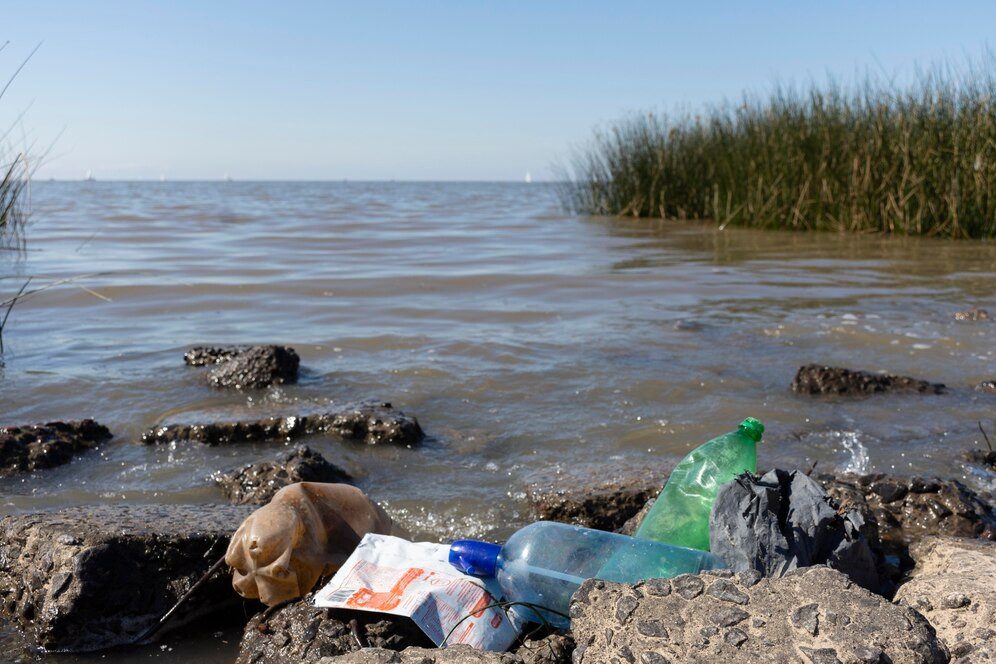
Once discarded, plastic waste is often sent to landfills or incinerated. In many cases, plastics are dumped into the environment, where they make their way into rivers and
eventually into the oceans. Once in the ocean, plastic waste becomes nearly impossible to clean up.
Ocean Pollution:
An estimated 8 million metric tons of plastic enter the oceans each year. That’s the equivalent of dumping one garbage truck of plastic into the ocean every minute.Once in the ocean, plastic doesn't biodegrade but instead breaks down into smaller pieces known as microplastics, which can persist in the environment for hundreds, if not thousands, of years.
5. The Long-Lasting Impact of Plastic
Plastics are notorious for their resistance to degradation. It is estimated that a single plastic bottle can take up to 450 years to decompose. During this time, plastics release harmful chemicals into the environment, which can affect marine life and ecosystems. Plastic debris in the ocean is consumed by marine animals, leading to injury, starvation, and even death. It’s estimated that 100,000 marine animals die each year due to plastic ingestion or entanglement.
How PBP EcoAqua is Helping Combat the Plastic Problem
At PBP EcoAqua, we recognize the urgent need to reduce plastic waste and carbon emissions. Our mission is to provide sustainable alternatives to single-use plastics, particularly in the hospitality sector. By offering reusable glass bottling systems, we are helping hotels and businesses reduce their plastic footprint and contribute to a
cleaner, greener planet.
Our Goal:
Impact So Far:
Through our work, we have prevented the use of 40 million of plastic bottles, saving approximately 1 million kg of single-use plastics. Our clients are not only helping the environment but also positioning themselves as leaders in sustainability within the hospitality industry.
Join Us in Building a Sustainable Future
Plastic pollution is a global crisis, but together, we can make a difference. By adopting sustainable alternatives like reusable glass bottles, we can significantly reduce the carbon emissions and environmental damage caused by plastic. At PBP EcoAqua, we are committed to leading the charge towards a plastic-free future, one bottle at a time.
Copyright © 2026, Progressive Business Partnership
Design By : indiainternets.com